Updated: Feb 2
If you've ever admired the delicate beauty of ink art and thought, "I wish I could do that," you're in the right place. Ink drawing is a timeless craft that combines precision, creativity, and a bit of patience. Whether you're doodling in your notebook or aiming to create gallery-worthy pieces, mastering ink drawing techniques can be both fun and rewarding. Let's dive into the world of ink and discover how to turn simple lines into stunning works of art.
Getting Started with Ink Drawing Techniques
Ink drawing is more than just putting pen to paper. It’s about understanding your tools, the types of ink, and the techniques that bring your vision to life. Here’s a quick rundown to get you started:
Choose the Right Tools: Start with a good quality pen or brush. Fine liners, dip pens, and brush pens each offer different line qualities. Experiment to find what suits your style.
Paper Matters: Use smooth, thick paper to prevent ink from bleeding. Bristol board or heavyweight sketch paper works wonders.
Practice Basic Strokes: Before jumping into complex designs, practice lines, dots, and curves. These are the building blocks of all ink art.
Control Your Pressure: Varying pressure changes line thickness. Light pressure creates thin lines, while heavy pressure gives bold strokes.
Keep a Steady Hand: Rest your drawing hand on the table to avoid shaky lines. Slow and steady wins the race here.
By mastering these basics, you’ll build a solid foundation for more advanced techniques.

Exploring Popular Ink Drawing Techniques
Once you’re comfortable with the basics, it’s time to explore some popular ink drawing techniques that add texture, depth, and personality to your art.
Hatching and Cross-Hatching
These are classic shading techniques where you draw parallel lines (hatching) or intersecting lines (cross-hatching) to create shadows and gradients. The closer the lines, the darker the area appears.
Stippling
This technique uses tiny dots to build up tone and texture. It’s perfect for creating subtle gradients and intricate details. Just be prepared for some serious patience!
Contour Lines
Contour drawing focuses on outlining the subject with continuous lines, capturing the shape and form without lifting the pen. It’s great for quick sketches and improving observation skills.
Scribbling
Don’t underestimate the power of controlled scribbles! This technique uses loose, overlapping lines to create texture and shading, adding a dynamic, energetic feel to your work.
Washes and Ink Blots
Using diluted ink or adding water to your ink can create beautiful washes and gradients. Ink blots can be used creatively to add abstract elements or unexpected textures.
Try mixing these techniques to find your unique style. Remember, practice is key, and every line you draw is a step closer to mastery.

What is the 4 8 8 Method of Drawing?
If you’re looking for a structured approach to improve your drawing skills, the 4 8 8 method might just be your new best friend. This technique breaks down the drawing process into manageable chunks, making it less intimidating and more fun.
4 Minutes: Spend the first 4 minutes sketching the basic shapes and outlines. Don’t worry about details; focus on proportions and composition.
8 Minutes: Use the next 8 minutes to add mid-level details, like shading, texture, and refining lines.
8 Minutes: Finally, dedicate the last 8 minutes to polishing your drawing, adding highlights, and perfecting the finer points.
This method encourages you to work quickly and efficiently, preventing overthinking and helping you develop confidence. Plus, it’s a great way to fit drawing into a busy schedule without feeling overwhelmed.
Give it a try next time you sit down with your pen and paper. You might surprise yourself with what you can create in just 20 minutes!
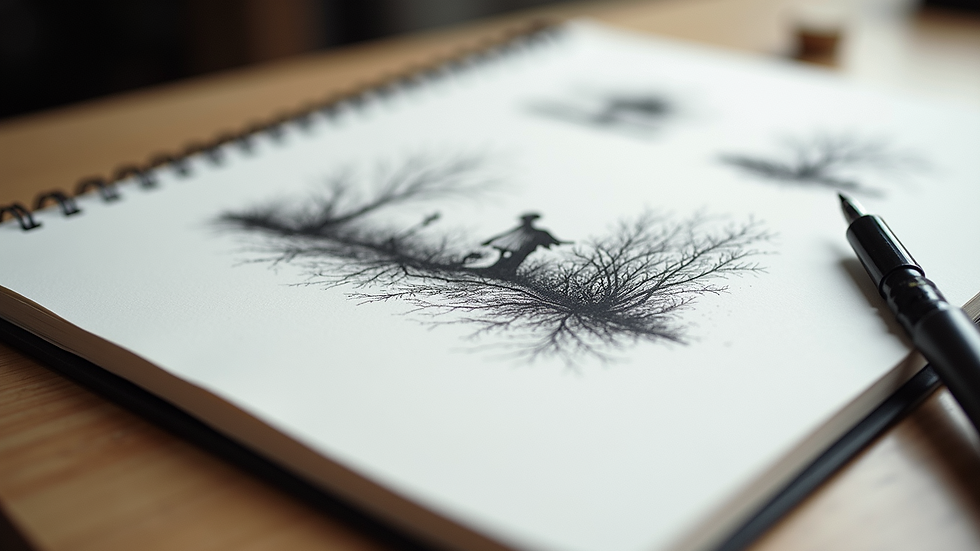
Tips for Creating Stunning Intricate Ink Drawings
Now that you know the techniques and methods, here are some practical tips to elevate your ink art:
Plan Your Composition: Sketch lightly with pencil before inking. This helps avoid mistakes and gives you a roadmap.
Use Reference Images: Whether it’s nature, architecture, or everyday objects, references improve accuracy and inspire creativity.
Experiment with Line Weight: Varying line thickness adds depth and interest. Use thicker lines for foreground elements and thinner lines for background details.
Keep Your Workspace Clean: Ink can be messy. Use scrap paper under your hand to avoid smudges and keep tissues handy.
Practice Patience: Intricate ink drawings require time and focus. Take breaks to avoid fatigue and maintain steady hands.
Invest in Quality Materials: Good pens and paper make a huge difference in the final outcome and your drawing experience.
Join a Community: Share your work online or join local art groups. Feedback and inspiration from others can boost your skills and motivation.
Keep the Ink Flowing and Have Fun!
Mastering ink drawing techniques is a journey filled with discovery and creativity. Whether you’re doodling on your lunch break or crafting detailed masterpieces, remember to enjoy the process. Ink art is as much about expression as it is about skill.
So grab your favourite pen, find a comfy spot, and start creating. Your next masterpiece is just a few lines away!
Remember, ink drawing is not just an art form; it's a way to express yourself and have fun!
Happy inking!